JELD-WEN Product Visualization & Retail Catalog System
Scalable Visualization for Manufacturing, Retail, and Product Marketing
Opening Reality — Where Product Visualization Breaks Down
Most manufacturers don’t have a rendering problem. They have a presentation problem. They know what they make, how it performs, and how to build it. What they don’t have is a consistent way to show it across hundreds of variations in a way customers can understand, compare, and ultimately buy. Doors and windows are one of the hardest categories to solve. They are not single products. They are systems made up of materials, glass types, panel configurations, finishes, sizes, and architectural styles. Trying to photograph all of that is inefficient, inconsistent, and ultimately unscalable. This project addressed that directly.
Project Overview
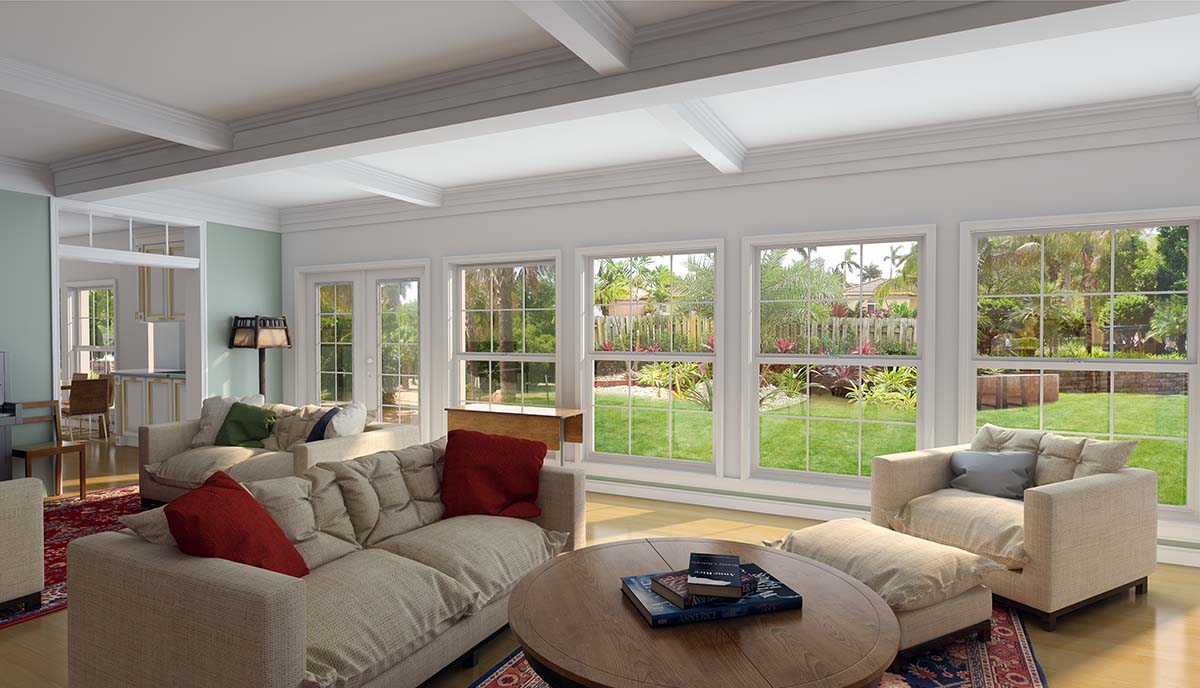
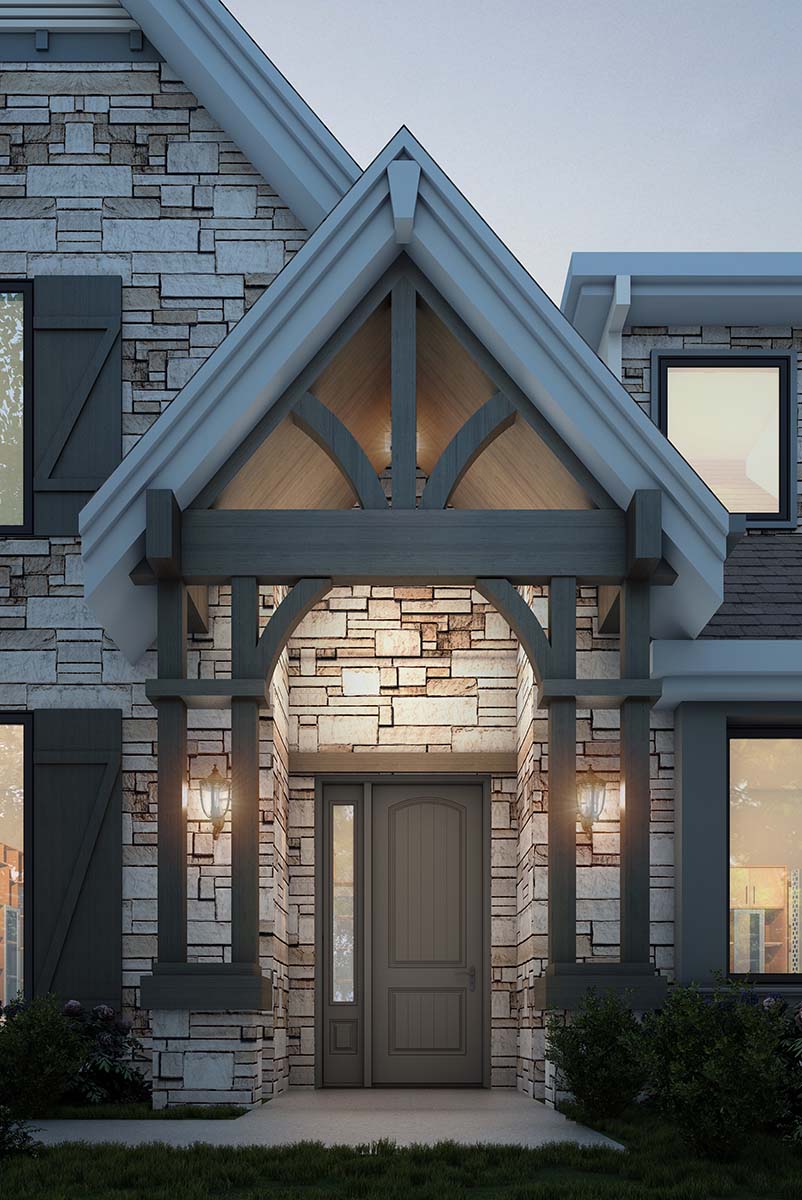
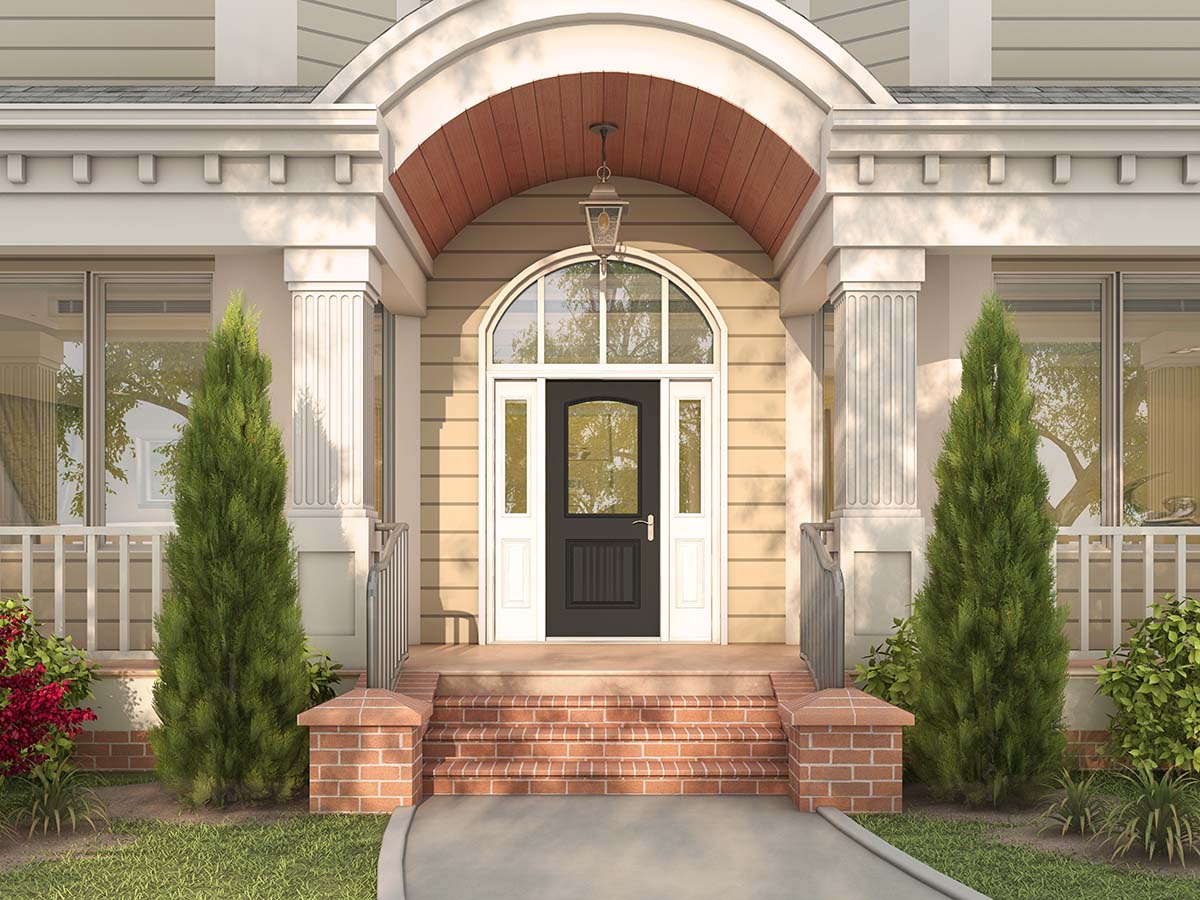
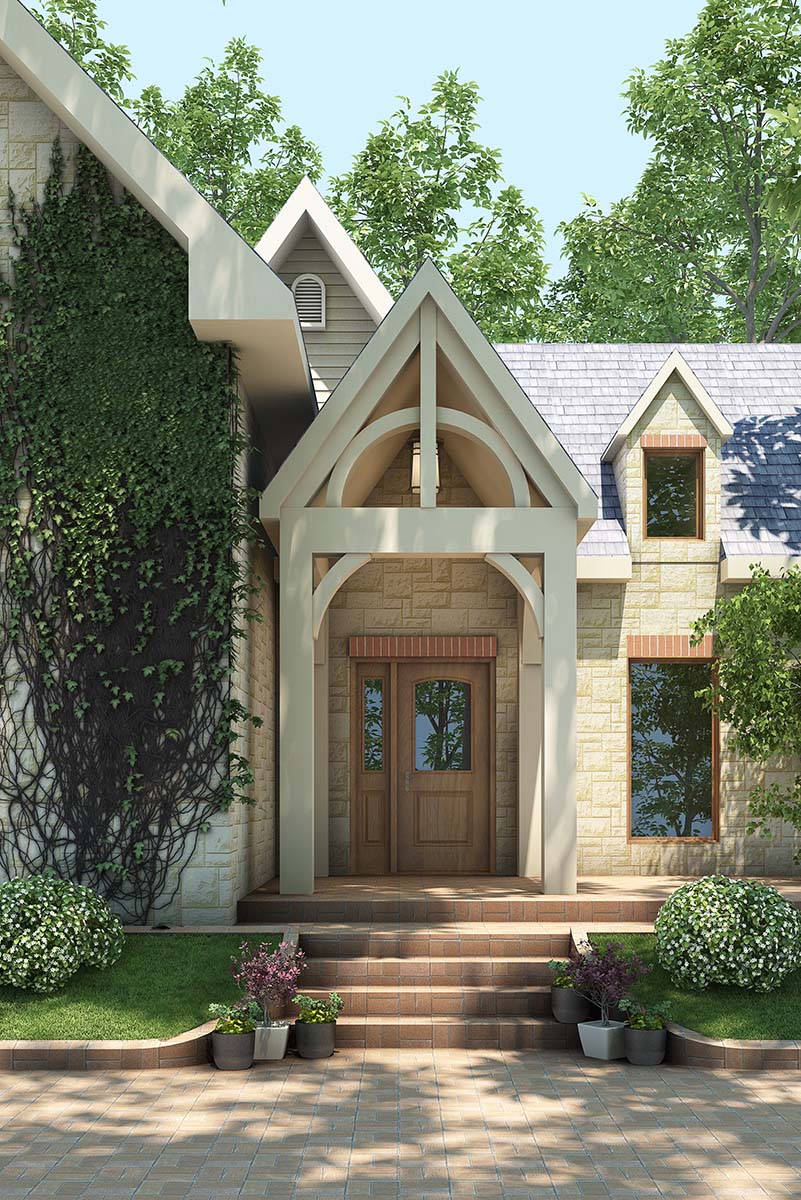
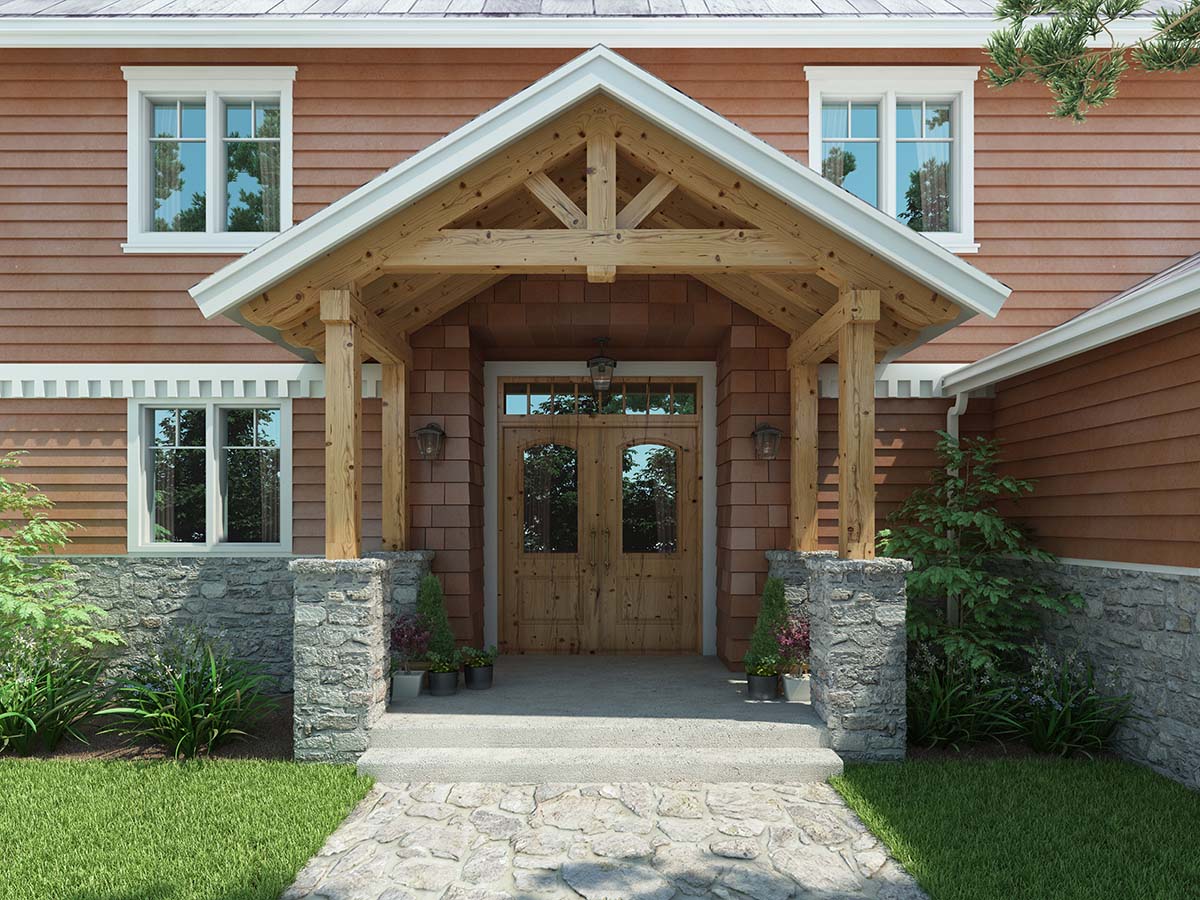
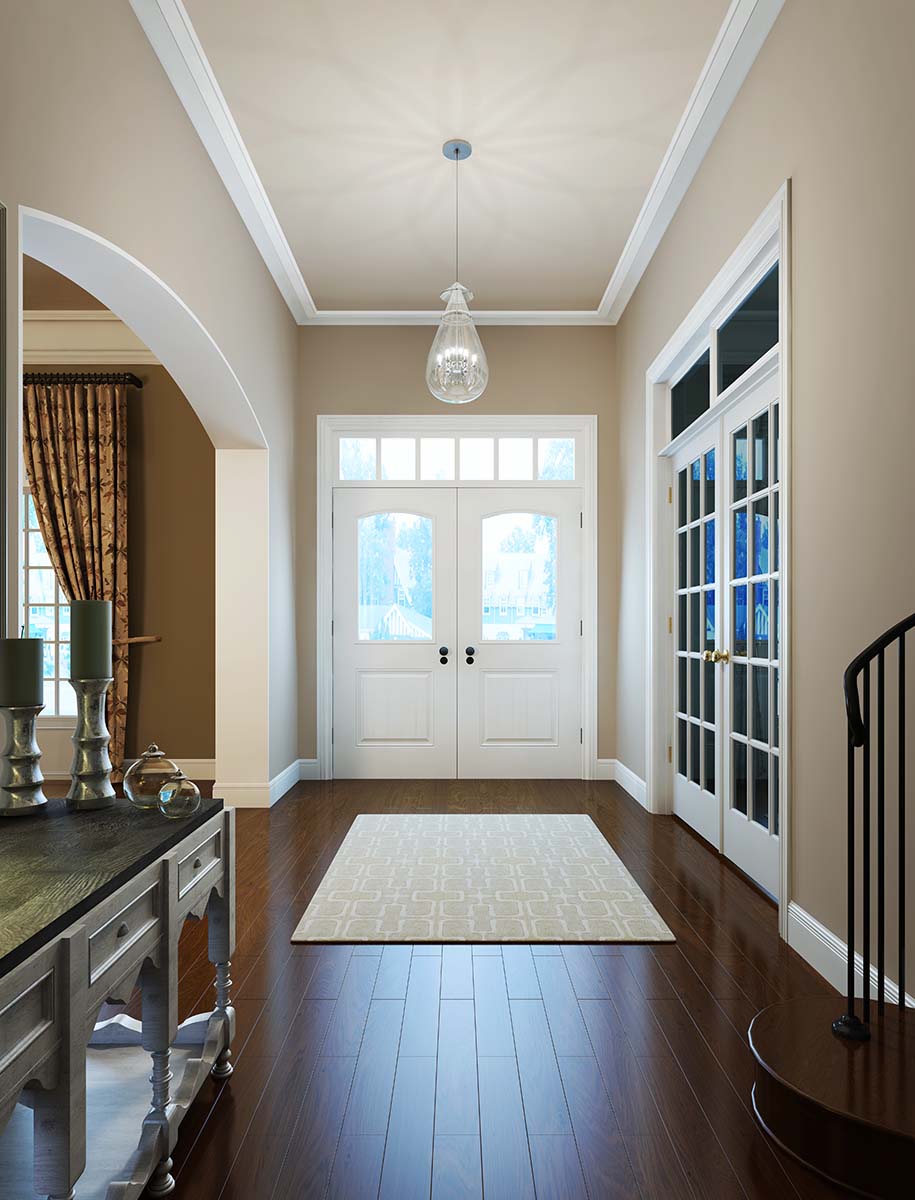
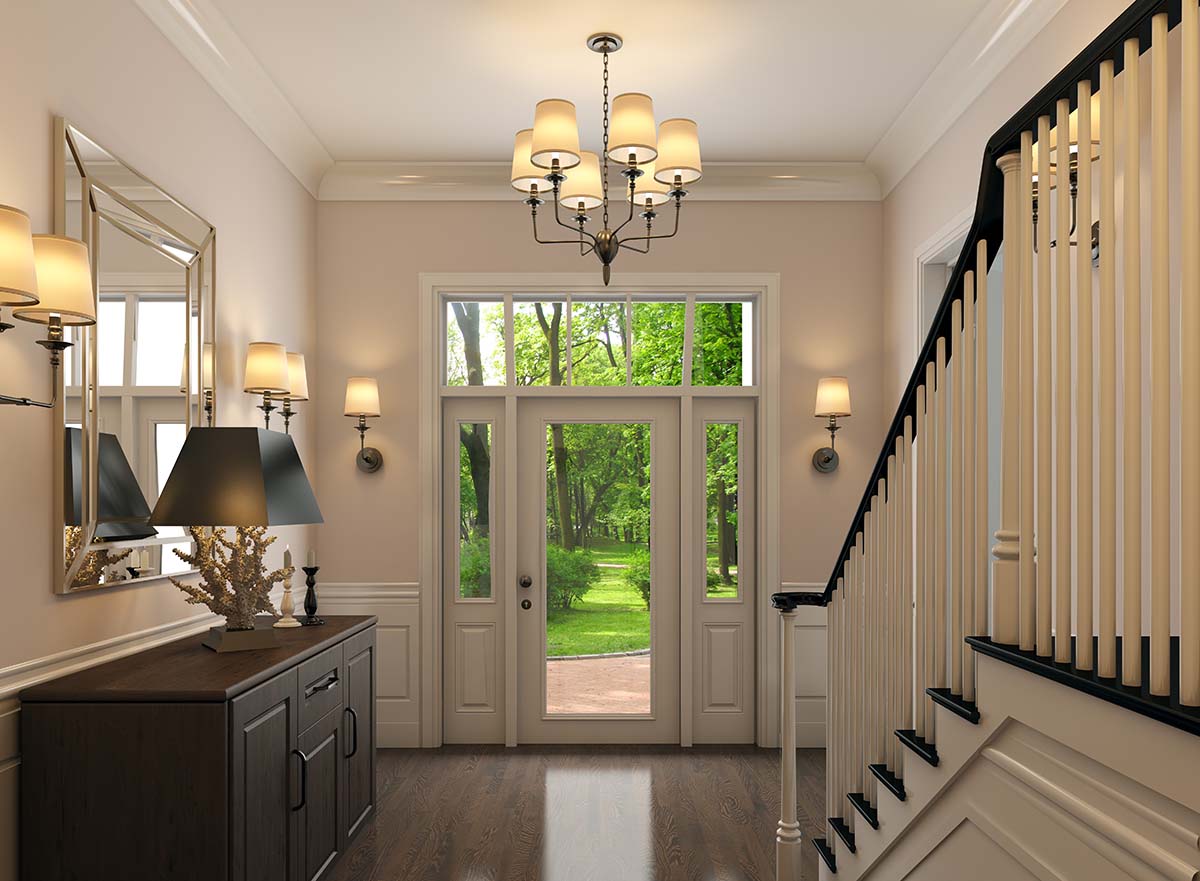
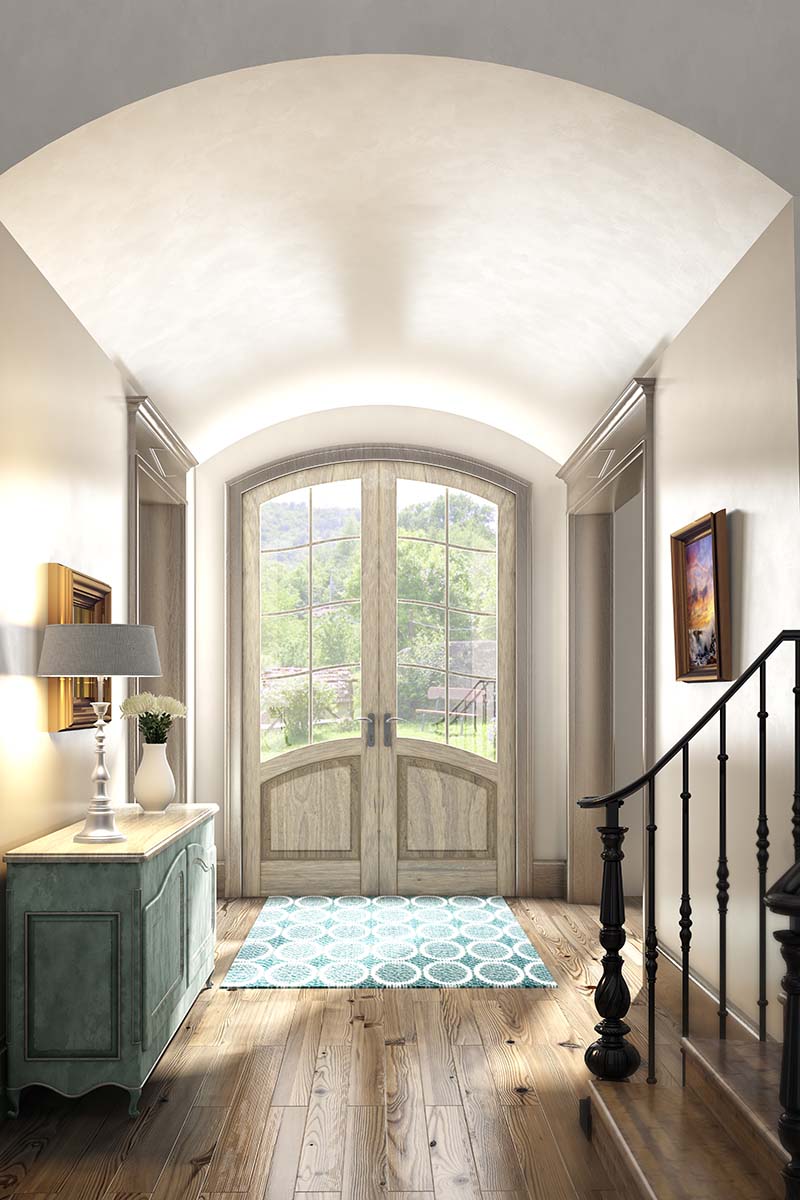
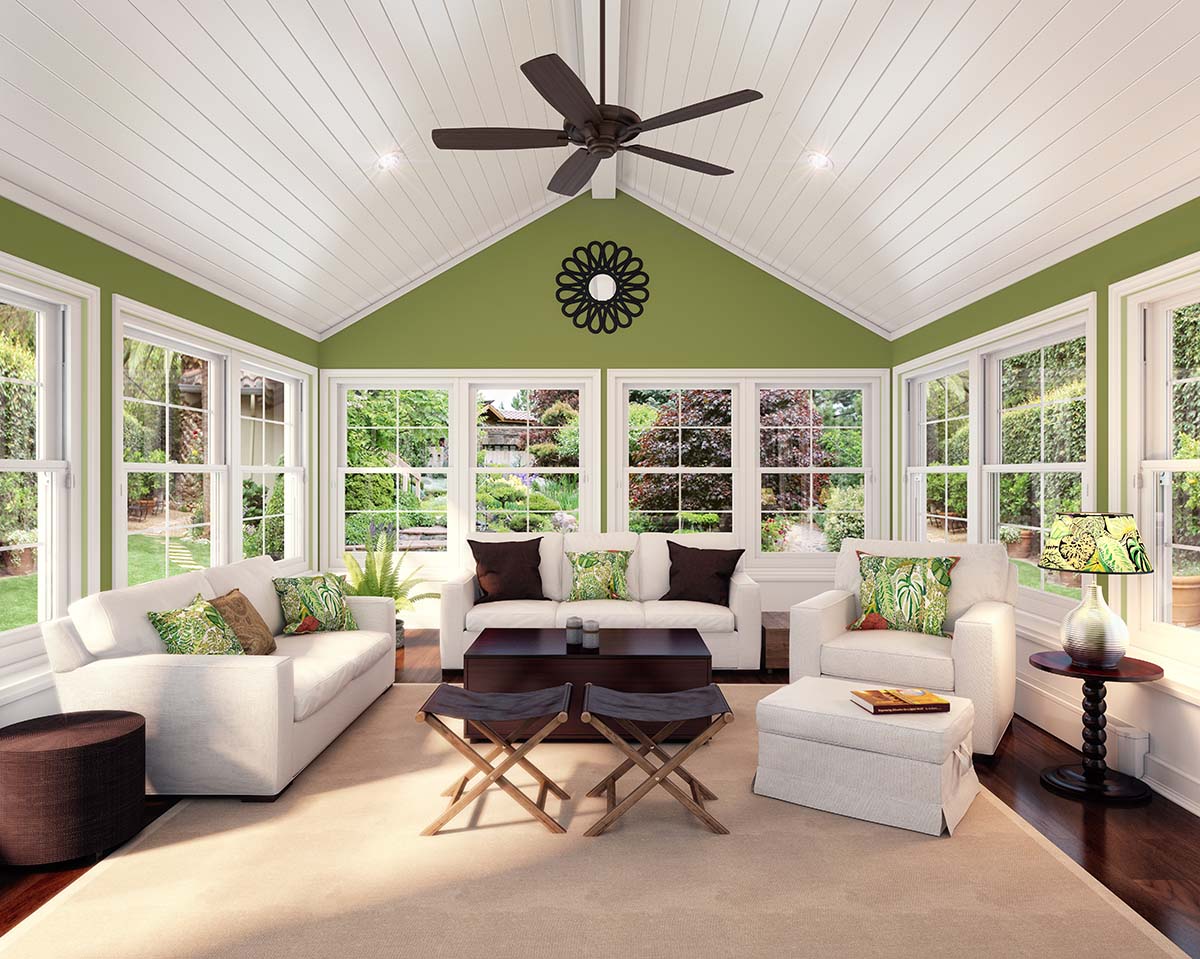
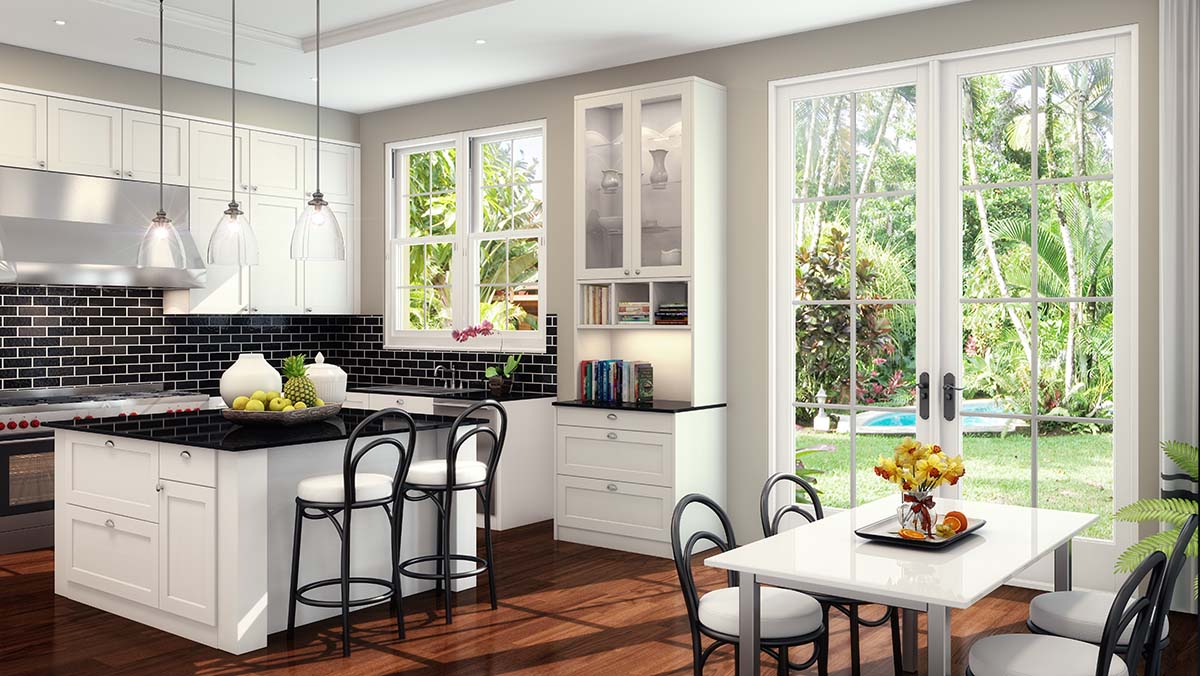
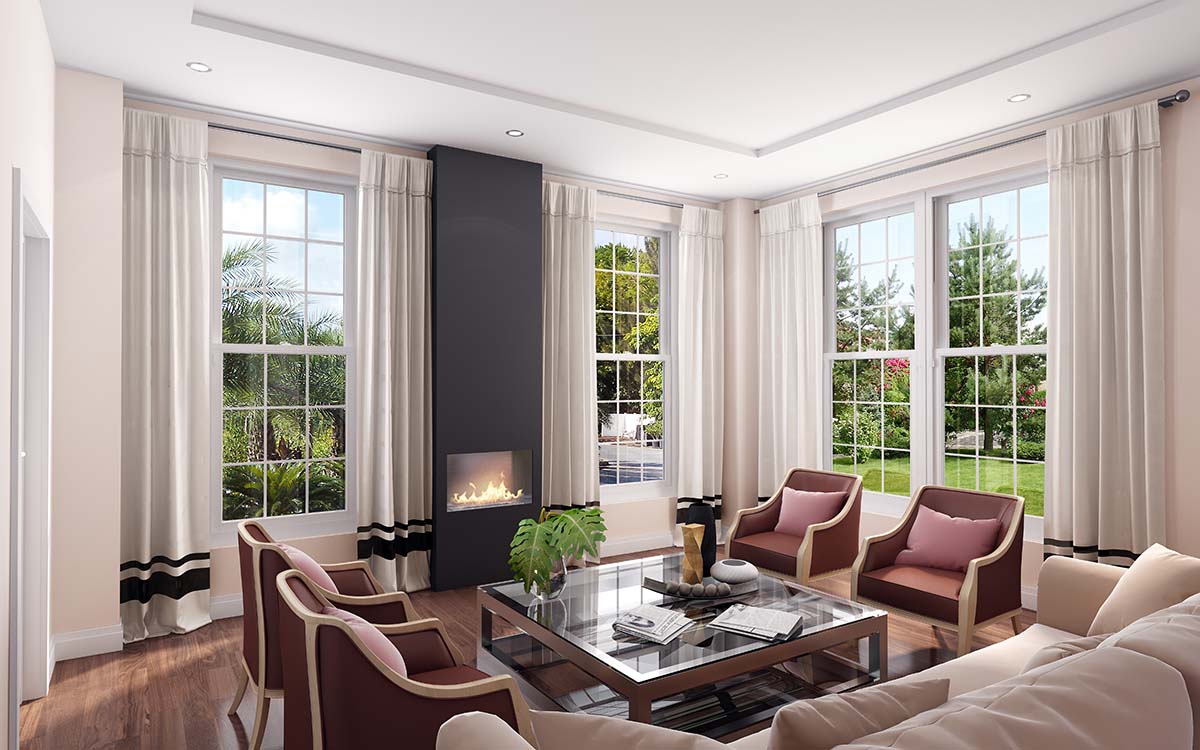
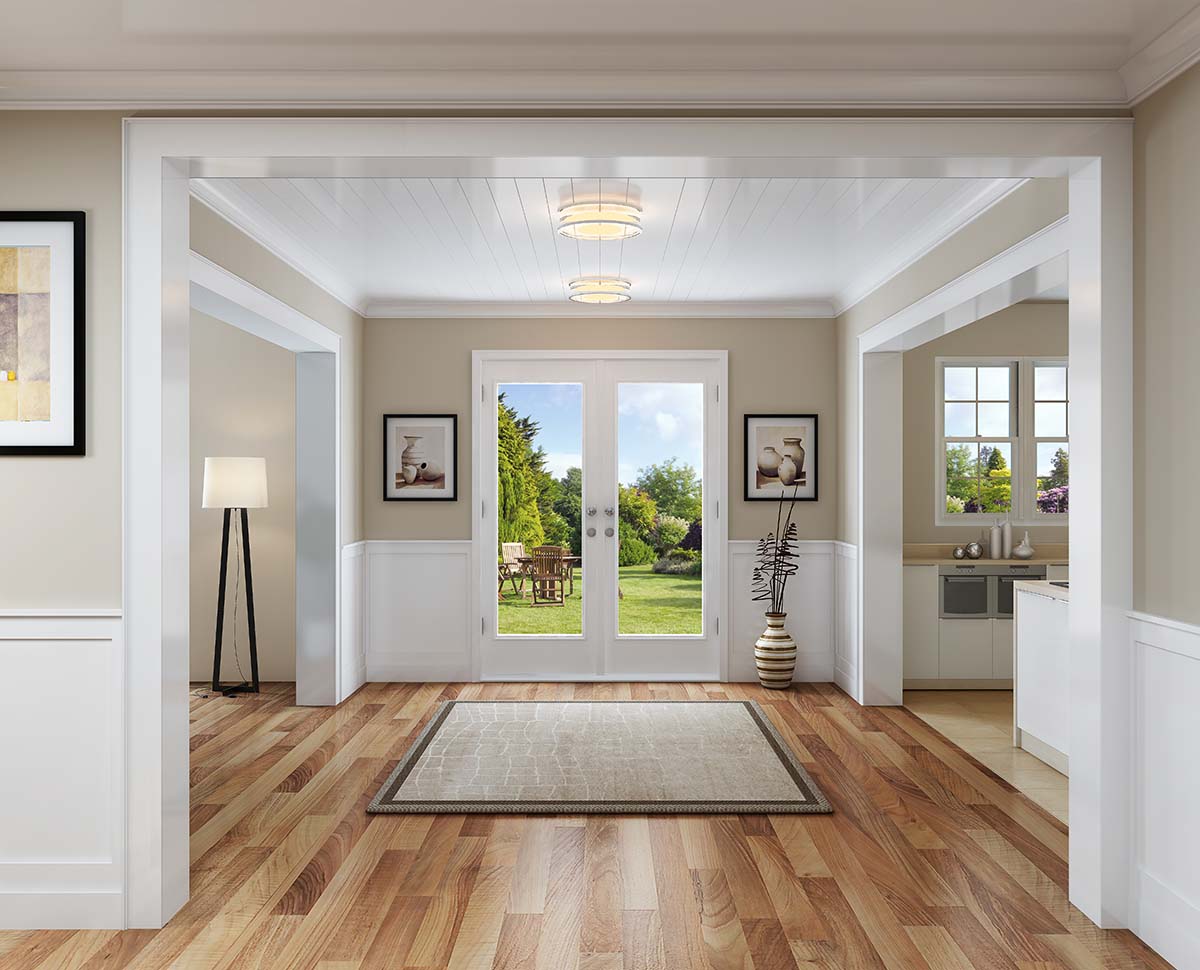
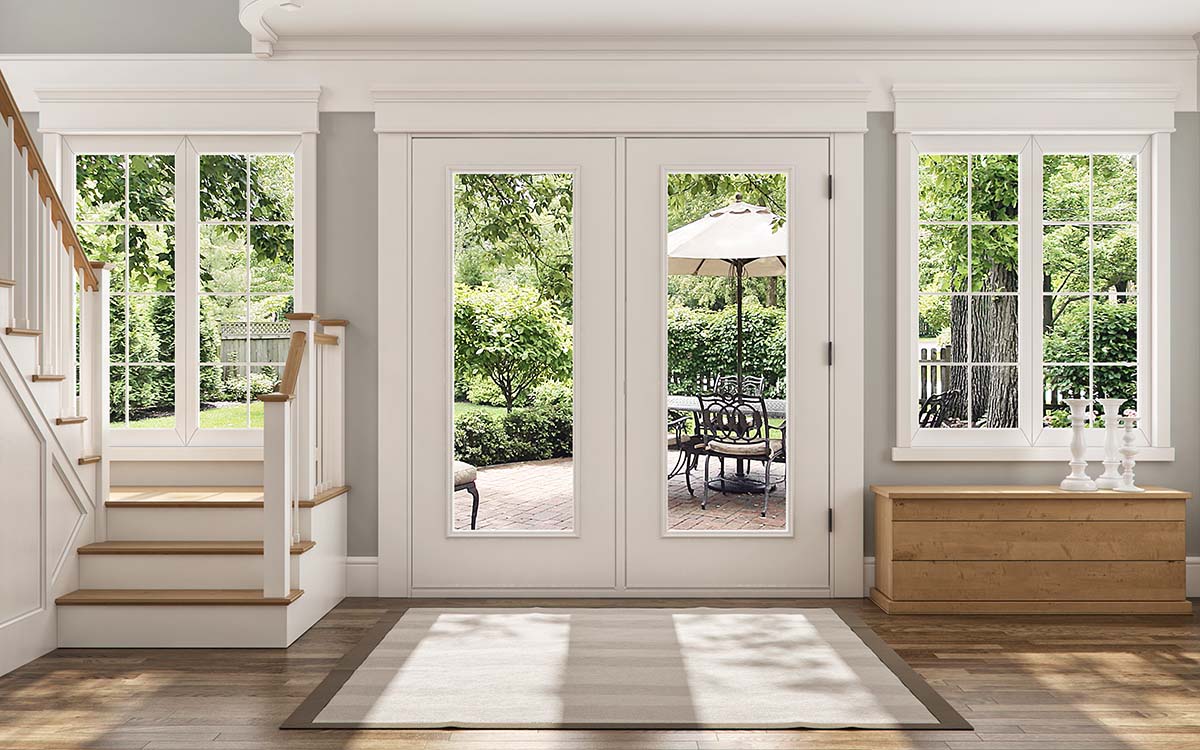
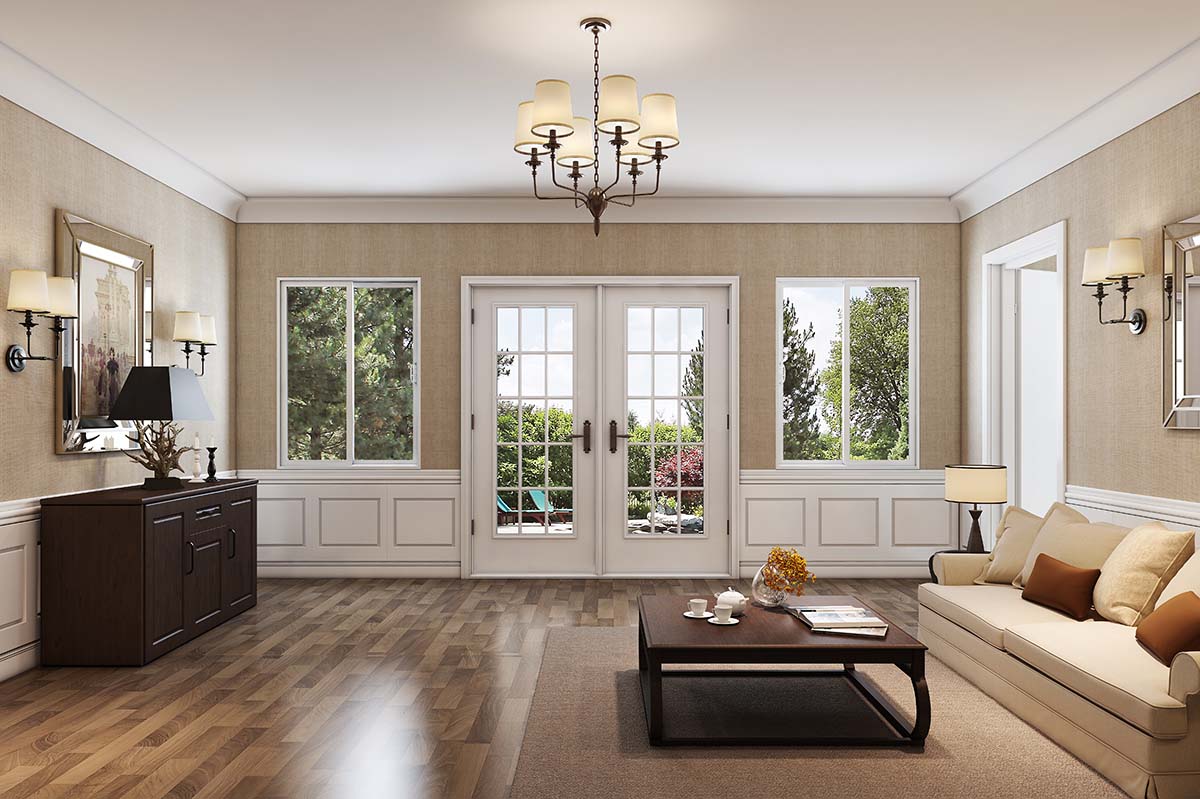
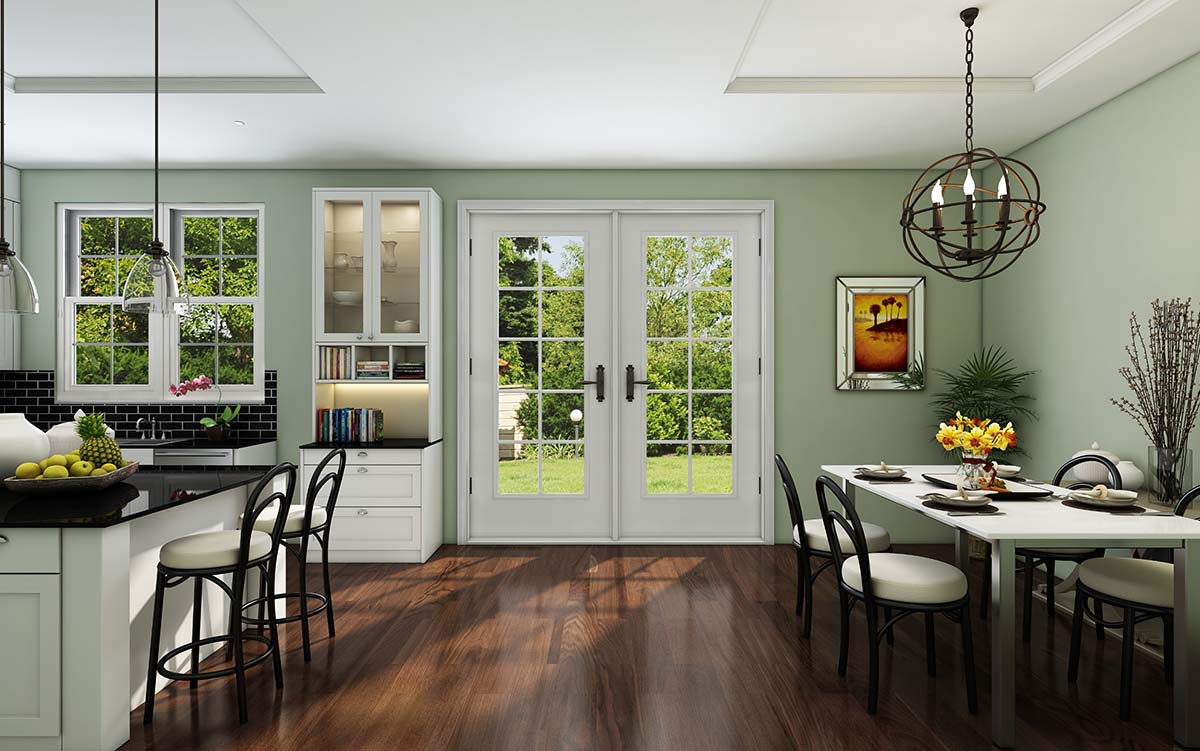
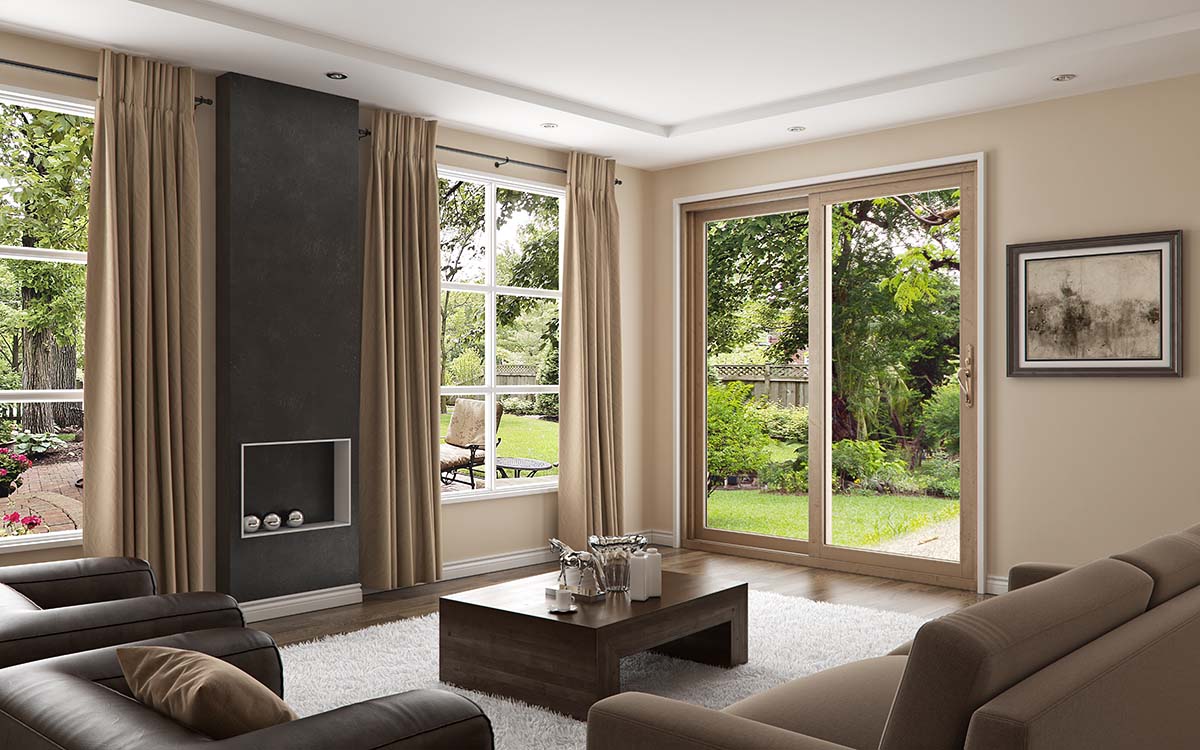
This was a large-scale visualization effort for JELD-WEN Windows & Doors, producing over 100 renderings used across product catalogs, marketing materials, and retail display systems, including in-store kiosk environments for Lowe’s locations across the United States. The work included door and window product renderings, interior and exterior contextual environments, variation-based visualization, and imagery designed for both catalog and retail deployment. The catalog itself reflects the depth of the product line, including fiberglass and steel exterior door systems with extensive configuration options. The kiosk imagery demonstrates how these visuals were deployed in real retail environments rather than existing solely as marketing pieces. This was not a one-off effort. It was a production system.
The Real Challenge — No Scene, No Direction, Just Product
Most visualization projects begin with a defined scene. This one did not. JELD-WEN often provided product types, STL geometry, and general marketing intent, but no scene design, architectural context, or visual direction. The real challenge was not rendering. It was defining what should be rendered in the first place.
The Workflow — Building the Story Before Building the Image
Instead of waiting for direction, we created it. We researched architectural environments, interior and exterior settings, and real-world photography that matched the product and resonated with buyers. We curated reference imagery and presented it to JELD-WEN for direction. Once selected, we interpreted those references rather than copying them. We rebuilt original environments that captured the architectural vocabulary, lighting, and composition without duplicating source material. This preserved creative integrity while aligning with brand intent.
Product Integration Using Real Geometry
JELD-WEN supplied STL files for their products. These are not rendering-ready assets. We converted, rebuilt, and optimized the geometry into usable models, applied accurate materials, and ensured dimensional correctness. This allowed every rendering to reflect actual product specifications rather than approximations, which is critical in a category where purchasing decisions are high value and detail-driven.
Building a Scalable Visualization System
Once the workflow was established, it became a system. Scenes were constructed in a way that allowed product variations to be swapped efficiently. Lighting and camera setups were controlled and consistent. This enabled production to scale across more than 100 renderings without sacrificing quality or consistency. The result was not just a collection of images, but a repeatable production pipeline.
Retail Integration — Visualization as a Sales Tool
The imagery was used in Lowe’s retail kiosk systems across the United States. These kiosk environments combined product visualization, lifestyle imagery, and structured information into a physical retail display designed to guide customer decisions. This meant the images had to communicate instantly, be readable at a distance, and support real purchasing decisions. Customers were not browsing casually. They were comparing products and making choices. The visualization became part of the sales interface.
Catalog Integration — Consistency at Scale
The catalog demonstrates the complexity of the product line, including multiple collections, panel styles, glass options, and configurations. Maintaining visual consistency across that range is difficult with traditional photography. A controlled 3D workflow allowed every image to align in lighting, tone, and material accuracy while supporting hundreds of variations. Updates and additions could be made without restarting the process.
What This Allowed JELD-WEN to Do
This system allowed JELD-WEN to scale product visualization across a large catalog without requiring physical builds or repeated photo shoots. It maintained brand consistency across catalog, retail, and marketing channels. It enabled deployment of visualization directly into retail environments where customers were making decisions. It accelerated marketing production and reduced long-term costs by eliminating inefficient workflows.
What Made This Different
Most studios deliver images. This project delivered a system. It included visual research, scene development, product integration, scalable production, and retail-ready outputs. Instead of functioning as an external vendor, this role operated as an extension of the client’s internal team, supporting both marketing strategy and production execution.
Where This Fits Today
This type of workflow is even more relevant now. Product visualization is moving toward eCommerce platforms, interactive configurators, digital catalogs, and AI-assisted systems. All of these rely on accurate, scalable visual content. This project delivered that foundation well ahead of current industry trends.
What This Shows
There is a difference between showing a product and building a system that allows a company to present and sell its entire product line. This project demonstrates the latter. It shows how visualization can scale with manufacturing, integrate into retail environments, and support real purchasing decisions. This is not just rendering. It is infrastructure.