
Simeon Condominium Architectural Rendering Project
Pre-Construction Residential Visualization for Marketing and Pre-Sales
Opening Reality — Condominiums Must Be Sold Before They Exist
In condominium development, success often begins long before construction. Units are marketed, pre-sold, and positioned in the market while the project still exists only as drawings. Buyers are not evaluating a finished building. They are evaluating an idea. Visualization becomes the bridge between concept and commitment, allowing potential buyers to understand layout, quality, and lifestyle before anything is built.
Project Overview
The Simeon Condominium Project was a proposed residential development located in Texas, created during the pre-construction phase to support marketing and early sales efforts.
The project focused on a multi-unit condominium development where the primary goal was to generate interest and drive pre-sales prior to construction.
Our role included the development of a full visualization package consisting of:
- Exterior architectural renderings
- Interior renderings showcasing finishes and spatial quality
- Colored floor plans illustrating unit layouts
- QuickTime Virtual Reality (QTVR) environments to provide interactive spatial understanding
This combination of deliverables allowed the project to be presented as a fully realized product rather than a conceptual proposal.
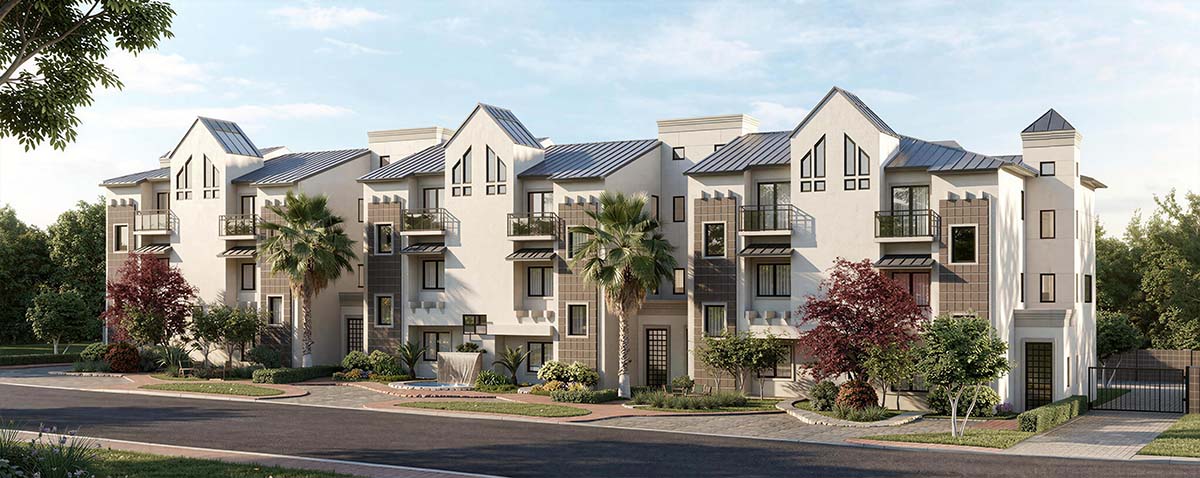
Simeon Condo Facade Rendering

Simeon Balcony Rendering
The Real Challenge — Selling Something That Doesn’t Exist Yet
At the time of visualization, the project had no physical presence. Buyers and stakeholders had to rely entirely on imagery and presentation materials.
The challenge was to clearly communicate:
- Unit layout and livability
- Interior quality and finish level
- Exterior identity and architectural character
- Overall value of the development
Without this clarity, pre-sales efforts become significantly more difficult.
Visualization Strategy — From Plans to Experience
The approach focused on translating technical drawings into understandable, experience-driven visuals.
This included:
- Interior renderings that clearly show spatial flow between living, dining, and kitchen areas
- Exterior views that establish identity and curb appeal
- Floor plans enhanced with color and clarity to improve readability
- Interactive QTVR environments allowing viewers to explore spaces virtually
This multi-layered strategy allowed different types of stakeholders to engage with the project in ways that suited them.
Interior Visualization — Defining Livability
Interior imagery played a critical role in communicating how the units would function.
The renderings emphasized:
- Open living layouts
- Natural light entering primary spaces
- Material and finish quality
- Furniture placement to establish scale
This allows buyers to understand not just the size of a unit, but how it feels to live in it.
Exterior Visualization — Establishing Identity
The exterior renderings were used to define the visual identity of the development.
These images communicate:
- Building massing and proportion
- Architectural style and materials
- Relationship to surrounding context
- Overall presence in the market
For condominium projects, exterior perception plays a major role in buyer confidence.

Simeon Living Room Rendering
Simeon Dining Room Rendering

Simeon Bedroom 3D Interior Rendering

Simeon Bathroom 3D Interior Rendering
Interactive Visualization — Early Adoption of Virtual Experience
One of the more advanced aspects of this project was the use of QuickTime Virtual Reality (QTVR), which allowed users to navigate through spaces interactively.
This provided:
- A more immersive understanding of layout
- The ability to “stand” within a space virtually
- Increased engagement compared to static imagery
At the time, this represented a forward-thinking approach to architectural visualization.
Operational Clarity — What the Project Delivers
While exact unit counts and square footage were not defined in available materials, the visualization clearly established:
- A multi-unit condominium development
- Multiple unit layouts supported through floor plans
- Interior finish direction and quality level
- Exterior identity and market positioning
This level of clarity is essential for early-stage residential marketing.
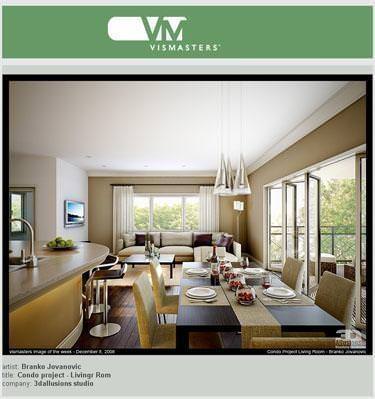
Selected as VisMaster's 'Image of the Week'
What This Allowed the Client to Do
The visualization package provided a complete set of tools for pre-construction marketing and sales.
It allowed the client to:
- Present the project as a finished product
- Support pre-sales efforts with clear visual communication
- Align stakeholders around design and layout decisions
- Reduce uncertainty for potential buyers
In condominium development, this directly impacts project viability.
Positioning — Visualization as a Sales Tool
This project demonstrates one of the core uses of architectural visualization: enabling pre-sales.
Rather than waiting for construction, the developer was able to:
- Market units early
- Build buyer confidence
- Establish pricing and positioning
- Generate momentum before ground was broken
This shifts visualization from presentation to revenue support.
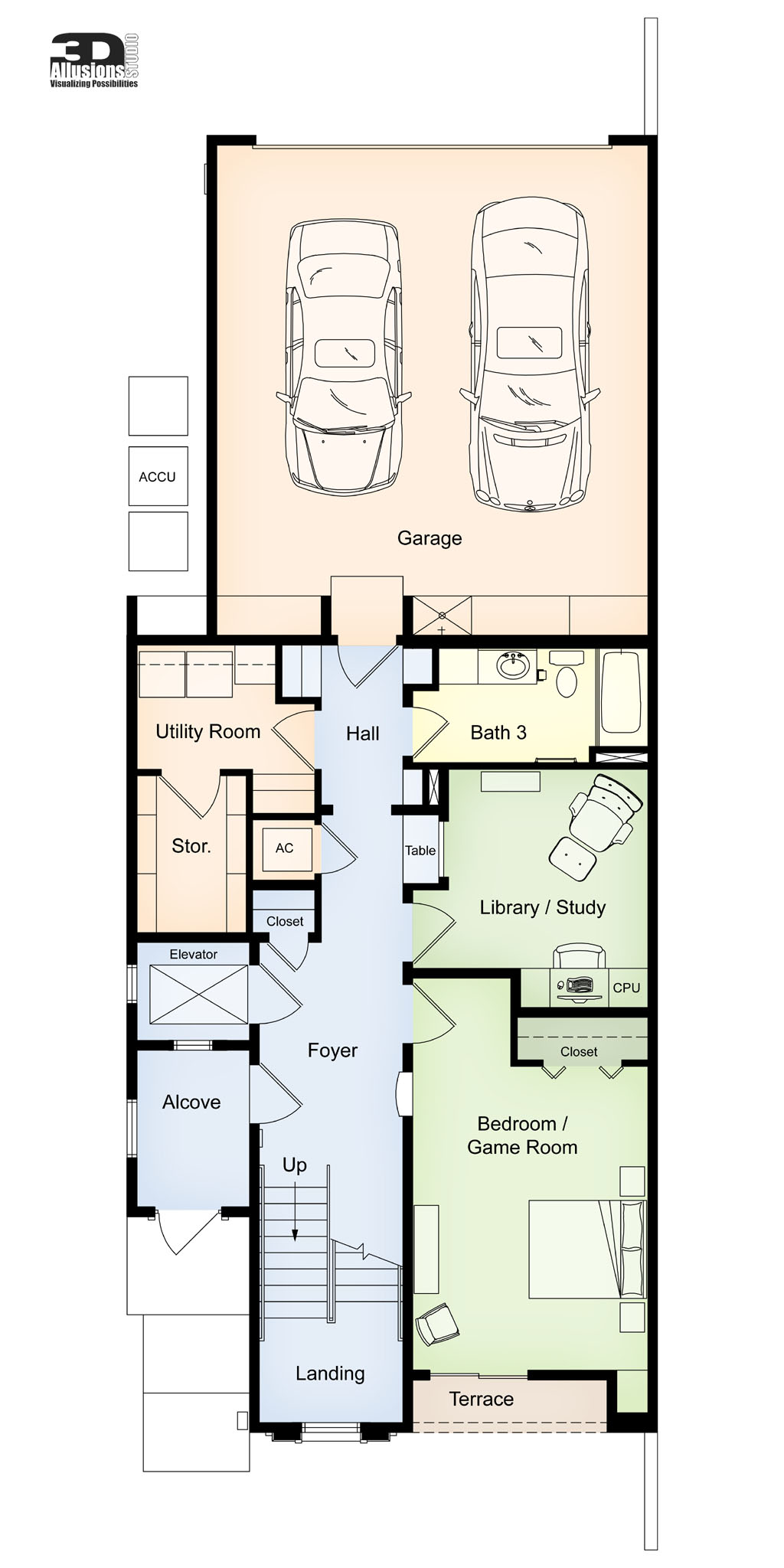
Simeon Colored Floor Plans
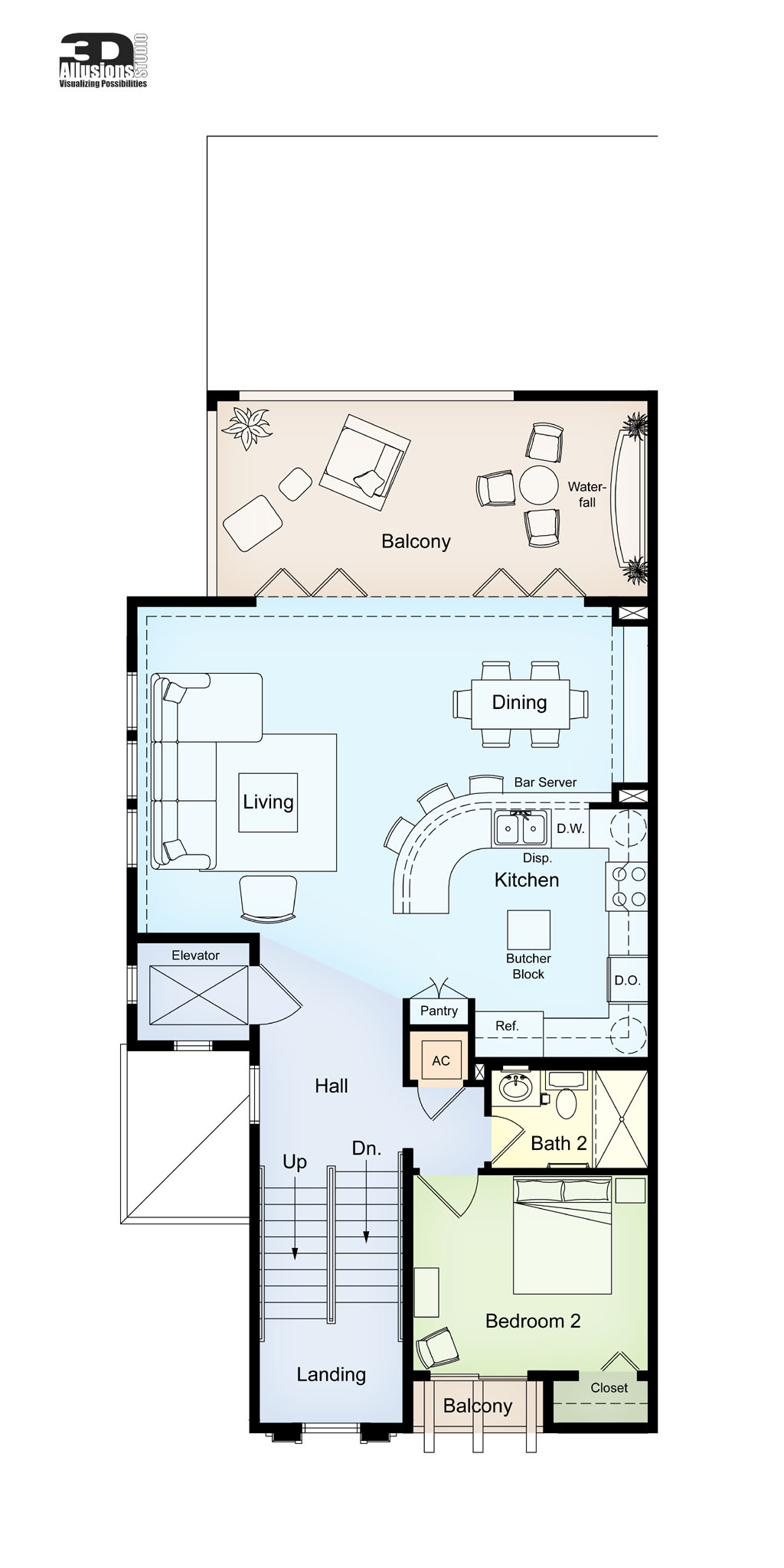
Simeon Colored Floor Plans
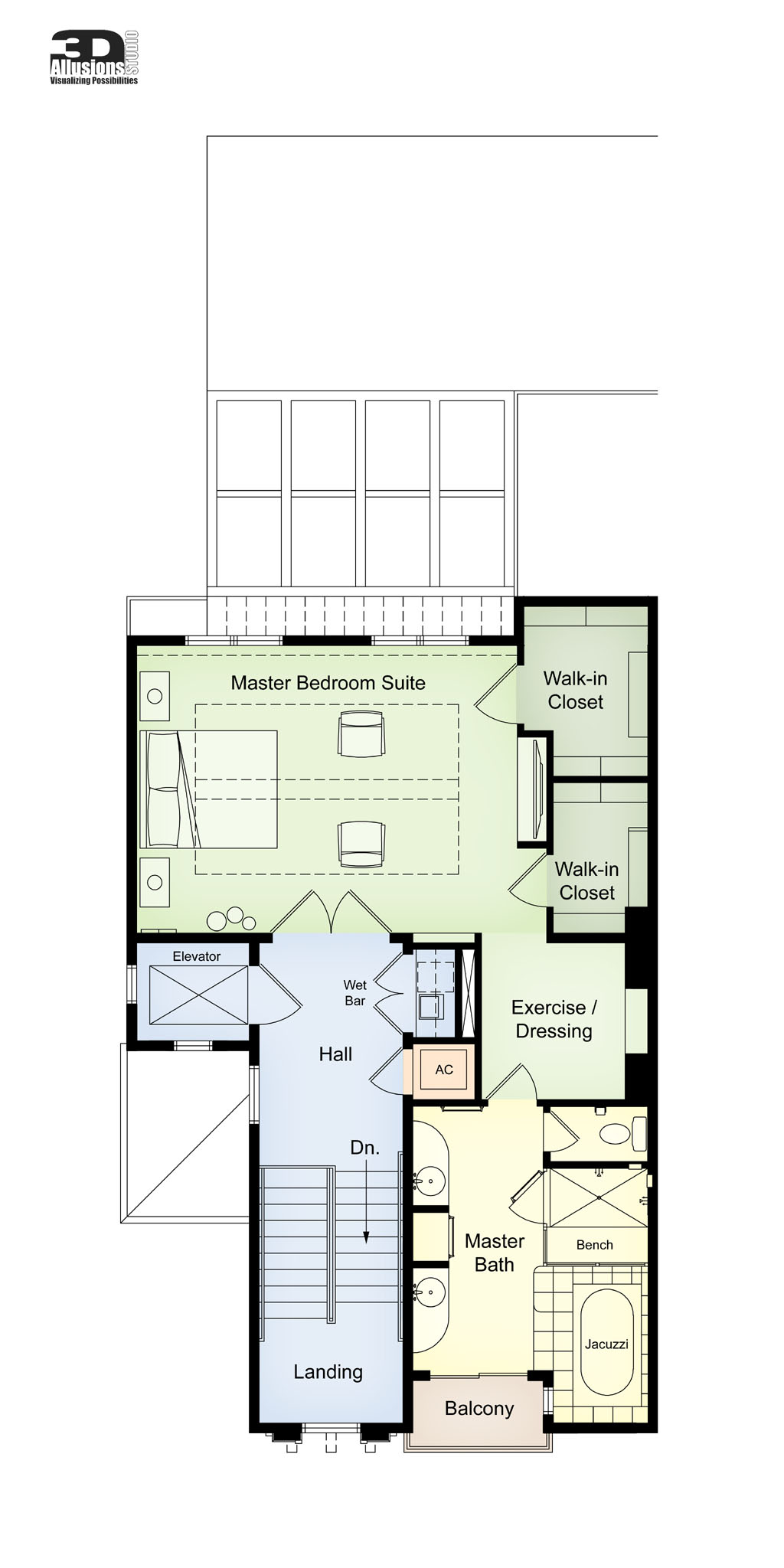
Simeon Colored Floor Plans
Where This Fits Today
Pre-construction sales remain a critical part of condominium development. While technology has advanced, the core principle remains the same. Buyers need to understand what they are purchasing before it exists.
Projects like this represent an early example of a workflow that is now standard across the industry.
What This Project Shows
This case demonstrates that architectural visualization is not just about creating images. It is about enabling decisions. It helps buyers commit, developers move forward, and projects gain momentum.
It also highlights the value of combining multiple forms of visualization—static, diagrammatic, and interactive—to create a complete understanding of a project.
This is where visualization becomes more than representation.
It becomes part of the sales process itself.